


Ancient practice.
Measurable science.
Profound results.
A practice to quiet the mind, restore balance and reconnect with yourself — creating space for greater clarity, presence and ease in daily life.
More than a coping tool
Meditation is often associated with relaxation and stress relief. While it certainly calms the mind, it is a practice with ancient roots that gave rise to remarkable accounts of yogis who appeared able to influence their physiology through focused attention and mental discipline. Today, modern science is beginning to reveal that these traditions may have been observing something profound all along. Research shows that meditation can create measurable changes in the brain, nervous system and overall physiology, influencing how we think, feel and experience the world around us.

Origins
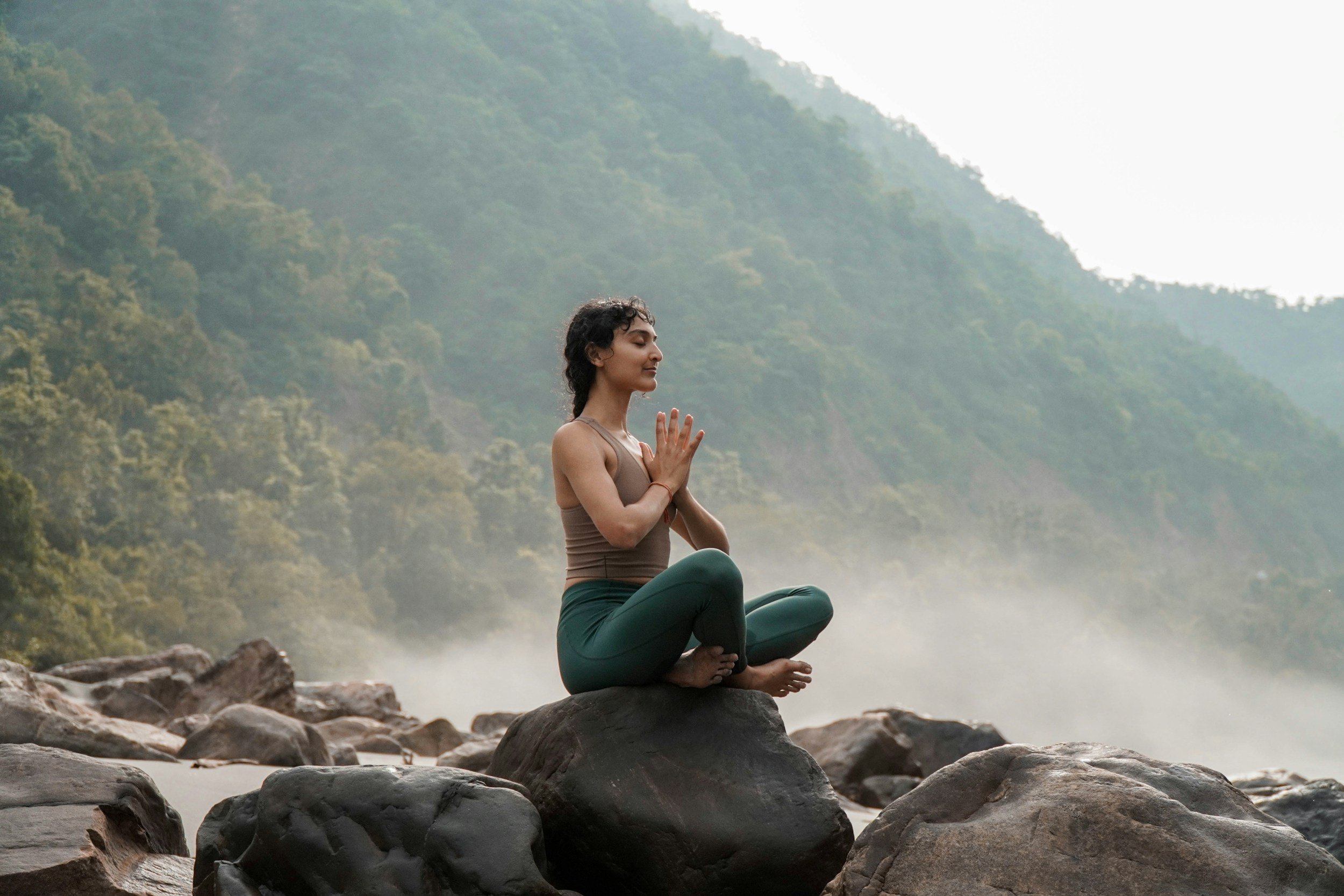
Originally practised as a path to awakening, meditation was a way to experience enlightenment, or Samadhi: a state of deep awareness and unity with all life. Ancient traditions taught meditation as a means of knowing the self beyond thought and identity, and of remembering our connection to something greater than ourselves.

Science
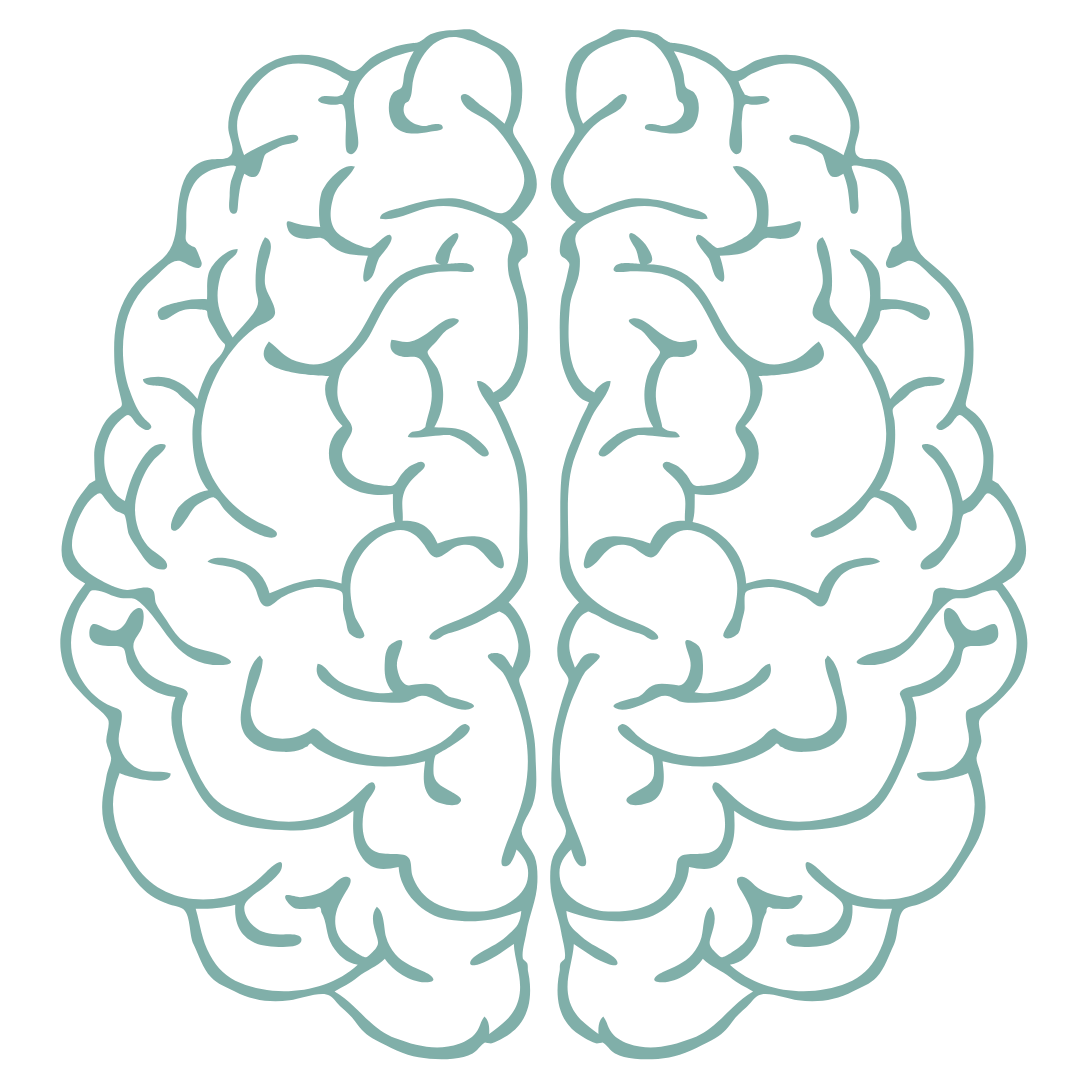
Today, meditation is often associated with relaxation and stress relief. While it certainly calms the mind, it is far more than a coping tool. It is a powerful practice that creates measurable, lasting change in the brain, nervous system and overall physiology.
Modern research confirms that meditation produces real, observable shifts in the body. Regular practice has been shown to reduce cortisol — the body's primary stress hormone — with downstream benefits for sleep quality, immune function and anxiety.
Brain imaging studies reveal that consistent meditation changes brain structure. Research from Harvard University has demonstrated increased grey matter density in areas responsible for learning, memory and emotional regulation, alongside reduced activation of the amygdala — the brain's fear centre.
Meditation also strengthens the parasympathetic nervous system — the body's rest and restore response — helping to shift out of the chronic fight-or-flight state that drives so much modern illness. This regulation supports cardiovascular health, improves heart rate variability and enhances attention and working memory.

Meditation does not simply relax the mind.
It trains the nervous system towards
balance, stability and resilience.
Benefits
Research spanning several decades has produced a growing body of evidence supporting its benefits. Studies now demonstrate measurable effects on the brain, nervous system, immune function and gene expression, helping to explain why regular practice can influence both mental and physical wellbeing.

Brain & Neuroplasticity
Meditation has been associated with changes in brain structure and function.
- Increased BDNF signalling
- Enhanced neuroplasticity
- Enhanced attention and emotional regulation
- Reduced age-related decline in grey matter volume
Immunity & Resilience
Meditation may support immune function by influencing a number of biological pathways.
- Increased interferon signalling
- Reduced cortisol and improved nervous system modulation
- Downregulation of genes associated with inflammation
- Improved physiological resilience
Recovery & Repair
Meditation may support recovery through nervous system regulation and gene expression.
- Improved heart rate variability
- Enhanced cellular repair pathways
- Modulation of inflammatory pathways
- Improved mitochondrial function and energy metabolism
Meditation at Prayana
In a world of constant stimulation, meditation offers an opportunity to pause and cultivate greater awareness. Through practices that connect breath, body and mind, we begin to develop the capacity to observe our thoughts, emotions and physical sensations with greater clarity and less reactivity.
With regular practice, subtle shifts often emerge. We may notice ourselves responding differently to stress, finding greater mental clarity, sleeping more deeply, or feeling more present in everyday life. Meditation is not about emptying the mind, but learning to relate to our experiences with greater awareness and intention.
Drawing on practices such as guided meditation, body scan, yoga nidra and visualisation, sessions are tailored to your needs. Whether you are completely new to meditation or looking to deepen an existing practice, the aim is to develop an approach that feels accessible, meaningful and sustainable.